How we develop players

Since 2022, our goal has been clear: build the best player development system, and keep improving it every season.

Objective

Our objective is to develop players who excel in the four areas below. This guides everything we do, from how we run our teams to the clinics and training programs we offer.

Skills
Players have optimal and efficient movement that allows them to throw, hit, and field at a high level.
Physical Tools
Players have the strength and quickness necessary to generate speed and velocity.
Approach
Players are able to absorb, process, understand, and respond to information swiftly and effectively - especially in challenging situations or after failure.
Teammate
Players communicate effectively, foster trust, remain reliable under pressure, and are willing to put the team's interest above their own.

Process

The processes we have built (and continue to build) are how we reach our objective.

Tracking
We use several tools to track development so players can review their progress over time.
Goals
We give players objectives that can be measured and observed, giving them concrete goals to reach.
Plans
We develop plans to help players reach their objectives and have an overarching pathway to bring players up through baseball.
Efficiency
We believe training is a waste of time if players are not working toward their objectives, so we structure practices, training sessions, and clinics to help players accomplish their goals.

The tools we use

Every T1 player has access to the same technology used at the highest levels of player development.

  • Blast
  • TrackMan
  • WIN RealitySwingAI

Who T1 is for

Travel baseball is a commitment for your family and for us. Here's what we're looking for at each age, what you can expect from us, and what we ask in return.

Foundation Years

9U–12U
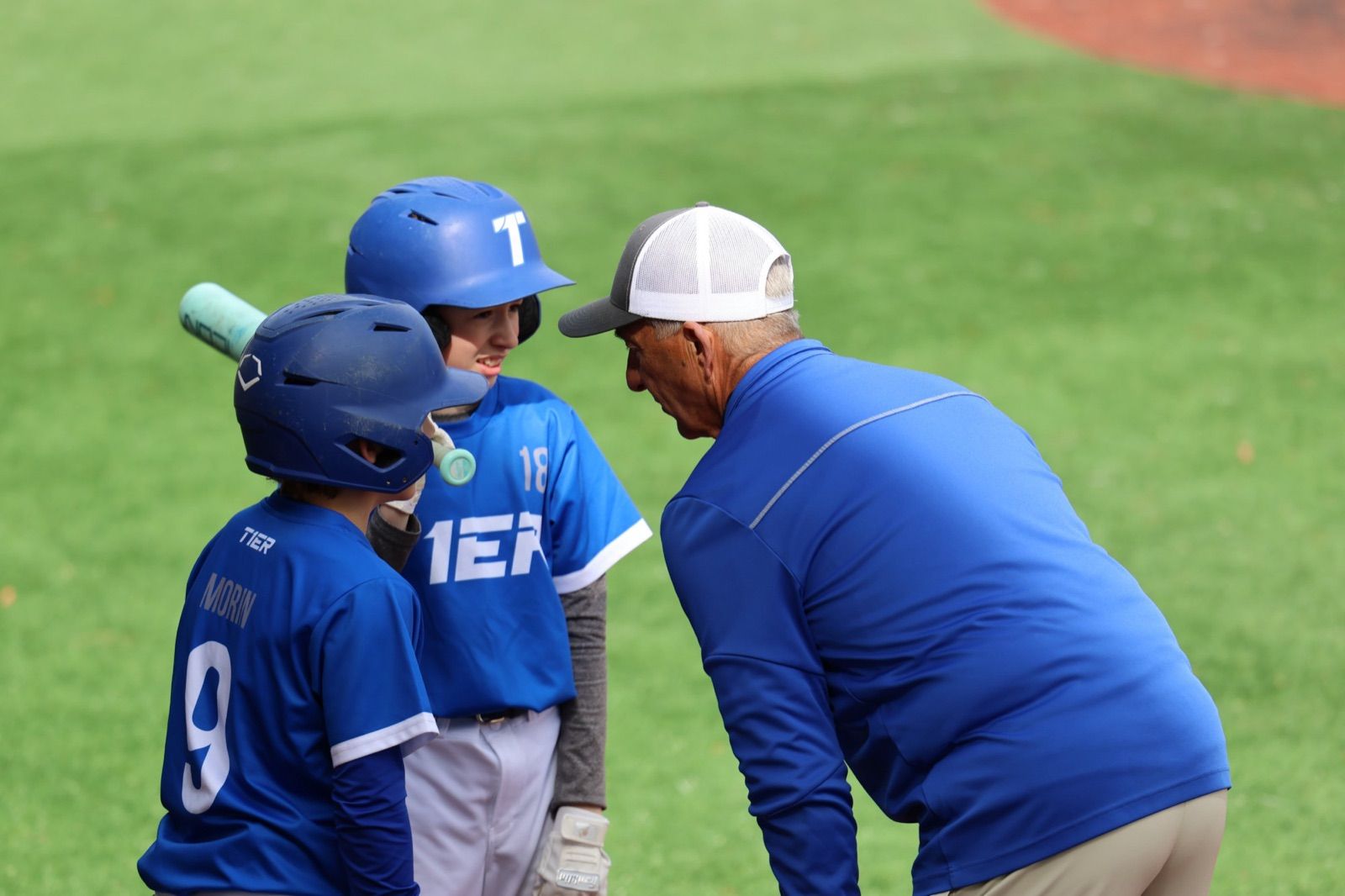
A Tier 1 coach talking with two young players

What matters in these four years is whether your player is building the skills, habits, and love of the game that are necessary when the big diamond and real competition show up. Everything we do at this age (the curriculum, the schedule, the way we coach) is built around that.

What we're looking for

  • Players who are interested in playing baseball competitively more than the average kid
  • Players who have taken an interest in practicing baseball more than the average kid
  • Families who prioritize/are looking out for their player’s long-term future in baseball
  • Families who prioritize development and learning over labels, stat lines, and wins

What to expect

  • A program-wide curriculum built around skills that scale to the big diamond
  • A measured game and tournament schedule that leaves room for practice (we want your player prepared to play 16U, and the quickest way to derail that is burnout)
  • Honest evaluation on where your player is and what he needs to work on

What we ask in return

  • Trust the process when your kid is learning new skills; allow him to fail and learn
  • Reinforce lessons at home
  • Attend practice (every practice has a lesson and objective, and it’s difficult for our players to learn without attending)

Building Years

13U–14U
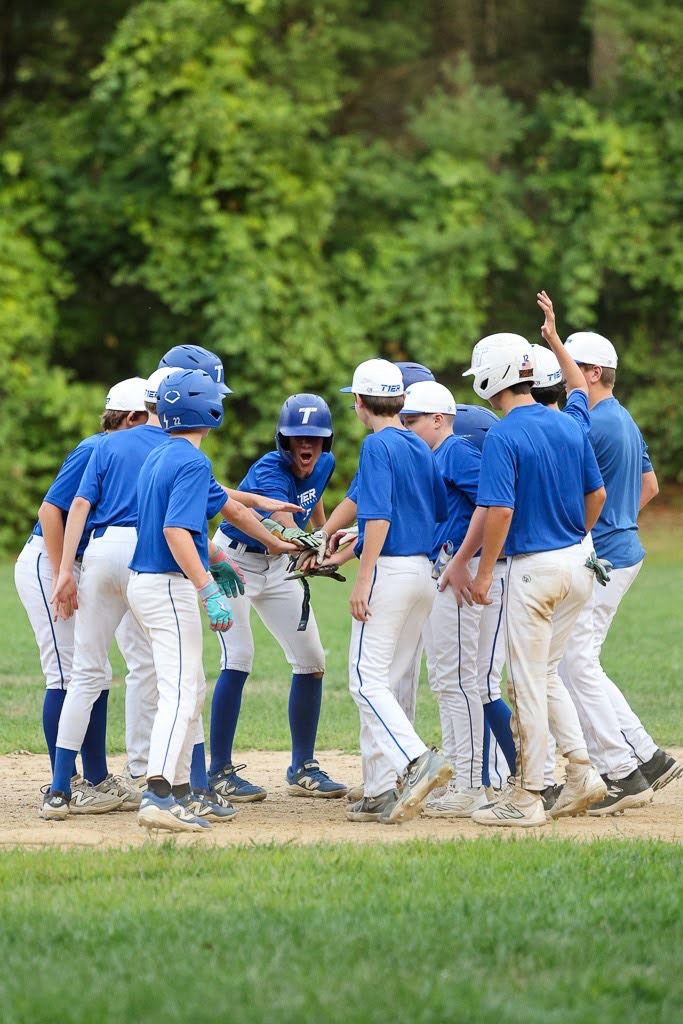
A Building Years team celebrating

At these ages we have two tracks (tournament focus and league focus). This maximizes the baseball calendar for both competition and development, and allows us to keep the same coaching staff and the same standards across all players in our system.

We invest heavily in every player at this level: small-group training, more individualized attention. We want our players to be ready to make an impact on their high school teams early and be more prepared for high level competition than their peers.

What we're looking for

  • Players who want to prioritize baseball and play competitively
  • Players who have demonstrated interest in practicing and improving
  • Players who have a goal of playing varsity baseball
  • Families who prioritize/are looking out for their player’s long-term future in baseball

What to expect

  • The same standards regardless of tournament or league role
  • Focused, small group training program within a team environment
  • Competitive schedule to prepare players for high school
  • Direct, honest communication with players and families about where they stand and how to improve

What we ask in return

  • Commit to off-season work. The kids who get better between 13 and 14 are the ones who take January - March seriously.
  • Continued focus on the long term goal; care more about your player being ahead of his peers at 16 than winning every tournament at 13 or 14.
  • Don't compare tracks. Tournament and league are different roles and tailored to what is best for the kids at that time.

Tier 1

15U+
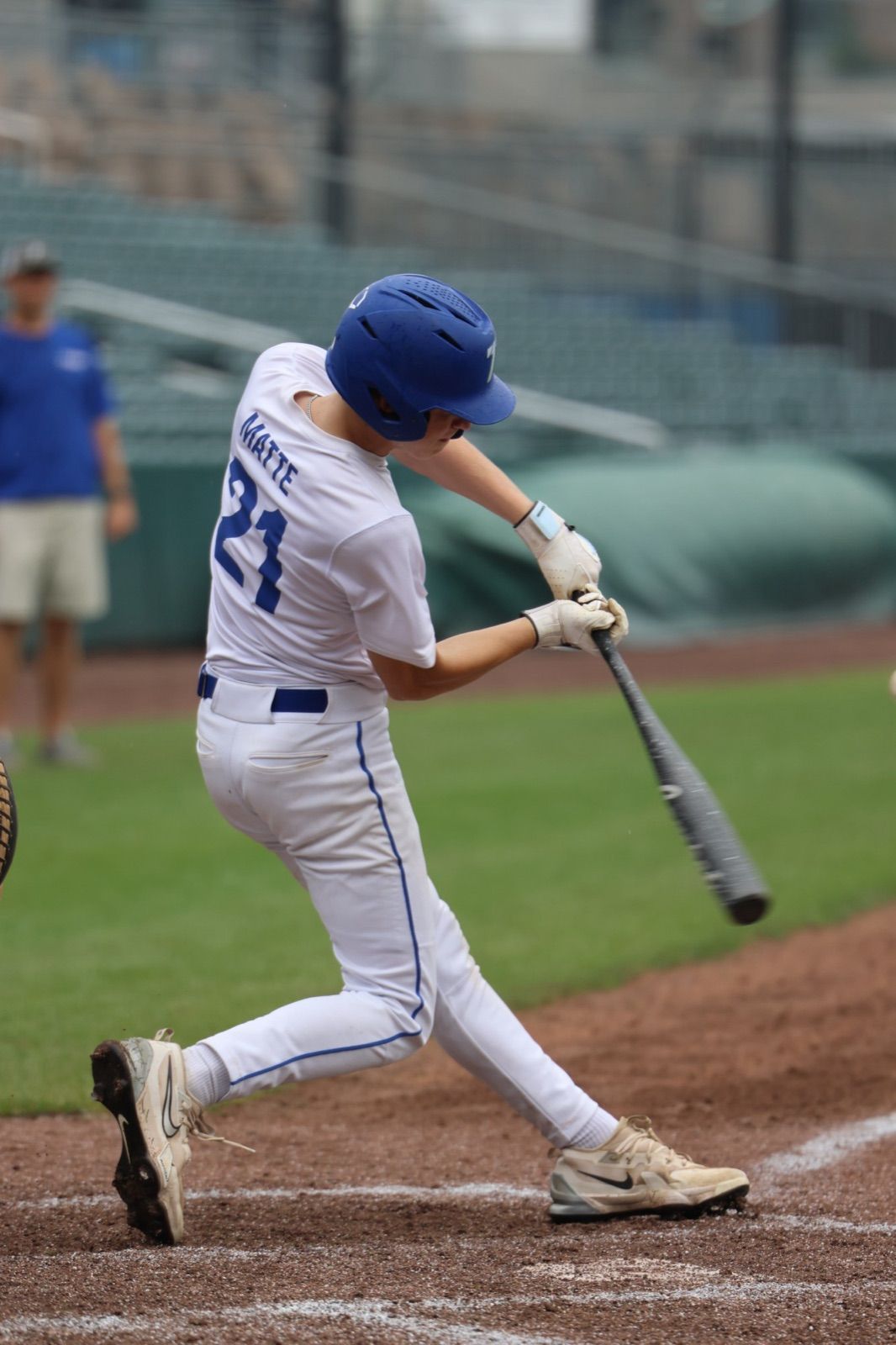
A Tier 1 hitter swinging through a pitch

By this point, our players have decided that baseball is something they want to pursue and we invest heavily in helping them accomplish their goals. From a program perspective, our goal is more than just getting our players to the next level; we want them to succeed when they are there.

What we're looking for

  • Players whose focus is still getting better, and who prioritize all aspects of development (strength/agility training, practice, extra work)
  • Families that want their player to succeed at the next level, not just get there
  • Players who have a goal for what level of baseball is realistically next, and who want to maximize whatever that is
  • Players who are great teammates

What to expect

  • A schedule with meaningful exposure events
  • Focused, small group training program within a team environment
  • Honest conversations about realistic paths (high school, prep, JUCO, D3, D2, D1), based on data and experience
  • Continued development inside a team, not a roster of individuals chasing individual stats

What we ask in return

  • Trust our read on what matters. More showcases does not equal better outcomes.
  • Commit to off-season work.
  • Be a teammate.
  • Take academics and the recruiting process seriously.

What a season looks like

By team

What each team's year looks like, from fall through summer.

Foundation Years 9U–12U

9U/10U

Winter
2× a weekpractices at Base 1 or NH Sportsdome
League games
20–26in the PG League
Tournaments
1–2local, plus an optional summer team

11U/12U

Winter
2× a weekpractices at Base 1 or NH Sportsdome
League games
28–40in the PG League
Tournaments
2local, plus an optional summer team

Building Years 13U–14U

13UAmerican

League track
Winter
2× a weekteam practice at NH Sportsdome, plus small-group hitting (6 per hour)
League games
24–30
Tournaments
2

13UNational

Tournament track
Winter
2× a weekteam practice at NH Sportsdome, plus small-group hitting (6 per hour)
League games
12–18
Tournaments
6–8

14UAmerican

Winter
1–2× a weekpractices
League games
18–24
Tournaments
1–2

14UNational

Tournament track
Winter
2× a weekteam practice at NH Sportsdome, plus small-group hitting (4 per hour)
League games
20–26for 8th graders; 9th graders play school baseball
Tournaments
7–8

Tier 1 15U+

15U

Winter
2× a weekteam practice at NH Sportsdome, plus small-group hitting (4 per hour)
League games
High schoolno T1 programming during the high school season
Tournaments
7–8

The thinking behind the system

Two long-form pieces on why we built T1 and where it's going next: written for parents, players, and anyone serious about player development.